
What Women Actually Think About Anal Play: Inside Our 2026 Survey
It's Anal August and instead of guessing what women want to know about anal play, we asked them.
Shibari surveyed 558 U.S. adults (267 women and 267 men) as part of our 2026 Intimacy & Sexual Wellness Survey, digging into experience levels, hesitations, communication patterns, and what actually makes anal play a positive experience. The results challenge a few assumptions, starting with the idea that stigma is the biggest thing standing in the way.
Here's what our data found, and what it means if you're curious about anal play yourself.
Most Women Have Tried It, but a Third Have No Interest and That's Okay
Nearly 60% of women surveyed have tried anal play at least once, ranging from a one-time experiment to a regular part of their sex life. At the same time, about a third of women say they've never tried it and have no interest, with a further 7% say they haven't tried it but are curious.
There's no single "normal" here. Whether you're a longtime enthusiast, anal-curious but not sure where to start, or simply not interested, all three are common, valid experiences. Anal August isn't about pressuring anyone into anything, it's about making sure accurate information exists for the people who do want to engage.
The #1 Reason Women Hesitate Isn't Stigma — It's Pain
This might be the most important finding in the whole survey: when asked about their biggest hesitations around anal play, women's top answer by far was pain or discomfort (60%) not embarrassment, not stigma, not what a partner might think. In fact, only 3% of women cited embarrassment or stigma as a top concern.
Even more telling: 61% of women said fear of pain has stopped them from trying anal play altogether.
Interestingly, this is where men and women diverge. Men's top concern is cleanliness (51%), with pain a close second (42%) while women's concerns are almost the mirror image. If you're building your own understanding of anal play around what you've heard is "normal" to worry about, it's worth knowing that for most women, comfort and pain prevention — not hygiene — are the real hurdle.
The takeaway: anal sex tips that focus only on cleanliness or reassurance about stigma are missing the point for a lot of women. Preparation, pacing, and the right products for comfort matter more.
Lubricant Is Essential but Awareness is Surprisingly Low
Among women who've tried anal play, 87% call lubricant "essential" or "very important" to the experience. That's nearly universal agreement, right up there with any established best practice in sexual wellness.
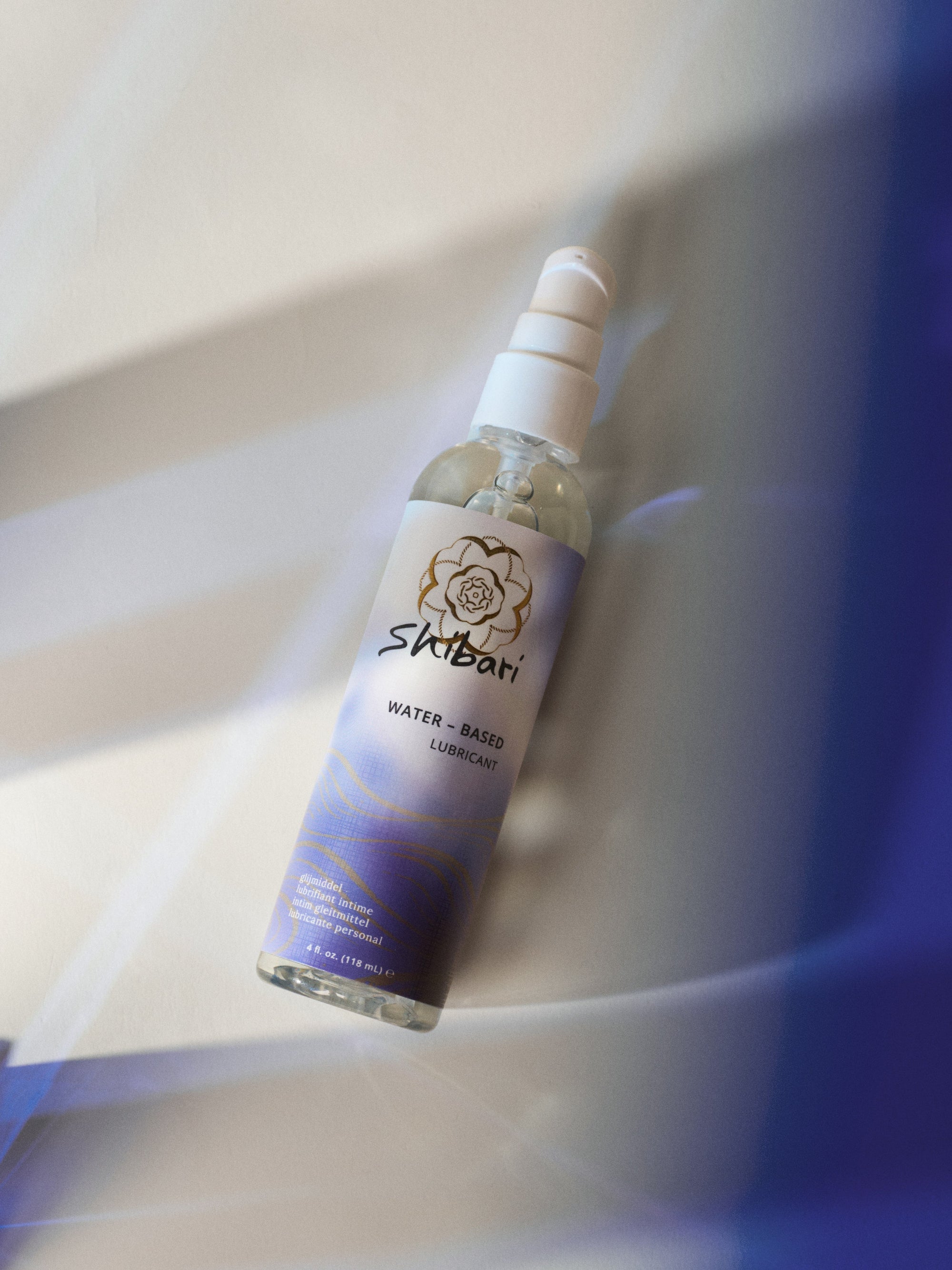
And yet, 1 in 3 women say they're not even familiar with lubricants made specifically for anal play. That's a significant awareness gap. Anal-specific lubricants are typically thicker and longer-lasting than standard formulas, because unlike other forms of intimacy, anal play doesn't involve natural lubrication — which is exactly why pain and discomfort (see above) are so common without it. Our Shibari Silicone-Based lubricant is a perfect option for more backdoor comfort and extended play.
If you take one practical tip from this entire survey, make it this one: more lubricant, applied more generously than you'd expect, is the single biggest lever for a comfortable experience. Women in our survey backed this up directly: when asked what contributed most to a positive experience, "plenty of lubricant" (38%) ranked just behind "taking things slowly" (41%), ahead of communication (34%) and trust in a partner (24%).

Who Brings It Up First? For Women, It's Usually Not Them
One of the more surprising relationship dynamics in the data: 39% of women say their partner is the one who initiates conversation about anal play, compared to just 9% who say they bring it up themselves. For men, the pattern flips: 28% say they initiate themselves and only 11% say their partner does.
In other words, for a lot of women, anal play enters the conversation because someone else raised it, not because they felt equipped or comfortable bringing it up on their own terms.
If you're a woman who's curious but has been waiting for a partner to bring it up, consider this permission to raise it yourself. And if you're looking for a place to start, an easy opener is simply sharing an article like this one. Data tends to make the conversation feel less loaded than a cold ask.
Curiosity Doesn't Peak in Your 20s
We also broke the data down by age, and the results defy the usual assumption that younger women are the most open to trying new things sexually. Women aged 35–54 reported the highest interest in learning more (49.5%) and the highest likelihood of exploring anal play if better information were available (60.6%) — both notably higher than women 18–34 or 55+.
If anything, this suggests sexual curiosity and openness to new experiences can deepen with age and relationship experience, not just fade. It also means that content and products built around this topic shouldn't default to speaking only to a younger audience.
Privacy Still Matters
It's worth noting this isn't a survey full of women clamoring to talk about anal play loudly and publicly. In fact, 49% of women say they're not comfortable discussing anal play with anyone — partner included — and more women say the topic "should remain private and personal" (28%) than any other single view.
At the same time, a combined 36% say they wish it were discussed more openly in sexual wellness education or that people should feel more comfortable talking about it. Both things can be true: most women want privacy around their own experience, while also wishing better information were easier to find in the first place. That's exactly the gap this article and Anal August as a whole is meant to help close.

Frequently Asked Questions About Anal Play
Is anal sex supposed to hurt?
Absolutely not. Pain is a sign that something needs to change, most commonly more lubrication, slower pacing, or more relaxation before continuing. In our survey, pain was the top-cited concern among women, which is exactly why proper preparation matters so much.
What kind of lubricant should I use for anal play?
Look for a lubricant specifically formulated for anal use. These are typically thicker and longer-lasting than standard lubricants, since the body doesn't produce its own natural lubrication for anal play the way it does elsewhere. In our survey, 87% of women who've tried anal play called lubricant essential or very important to a good experience.
How do I bring up anal play with my partner?
Our data shows women are far more likely to have this conversation started by a partner than to start it themselves. If you've been waiting for the "right moment," it's worth simply raising it yourself. Sharing an article or survey finding, like this one, can be a low-pressure way to open the conversation.
Is it normal to not be interested in anal play at all?
Yes. About a third of women in our survey said they've never tried it and have no interest, making it the single largest group in the entire sample. There's no single "normal" level of interest, and no expectation to feel curious about it. Your pleasure is dependent on what feels best to you.
What actually makes anal play a positive experience?
According to women who've tried it, the top two factors are taking things slowly (41%) and using plenty of lubricant (38%) ahead of communication and trust in a partner. Preparation and pacing matter more than most people expect.
The Bottom Line
The data tells a clear story: for women, anal play hesitancy isn't mainly about stigma or embarrassment it's about pain, preparation, and a lack of accessible, trustworthy information. Closing that gap, not manufacturing curiosity that isn't there, is what Anal August is really about.
Methodology: Findings are based on Shibari's 2026 Intimacy & Sexual Wellness Survey of 558 U.S. adults (267 women, 267 men) who reported being comfortable discussing sexual health topics. Full findings are available in our internal white paper; this post reflects survey data intended for public education.